In Nigeria’s Sokoto and Zamfara states, maternal and child mortality rates remain among the highest in the world. We explore how seeing the ‘uncomfortable truth’ is helping the government restore life-saving care.
In late 2025, a senior health official in Sokoto was shown a series of photos from a local health clinic. He saw a rusted delivery bed and a room with no working lights.
This was the wake-up call the system needed. Seeing the actual state of the clinics created a sense of urgency that cut through red tape, leading to 115 facilities being prioritised for immediate upgrades.
Presence vs. performance
For a decade, skilled birth attendance in Sokoto and Zamfara had hovered at a national low of 12–13%. The prevailing theory was mothers simply preferred to give birth at home.
But when we supported a baseline census of over 1,000 facilities, only four were found to be fully functional. The rest were clinics that existed on a map but lacked the basic tools to perform a safe delivery. It was clear that the health system hadn’t disappeared; it had simply stopped functioning.
It became clear that the lack of clinic births was not a cultural preference, but a rational response from mothers who correctly recognised that facilities could not offer them a safe environment.
The uncomfortable truth
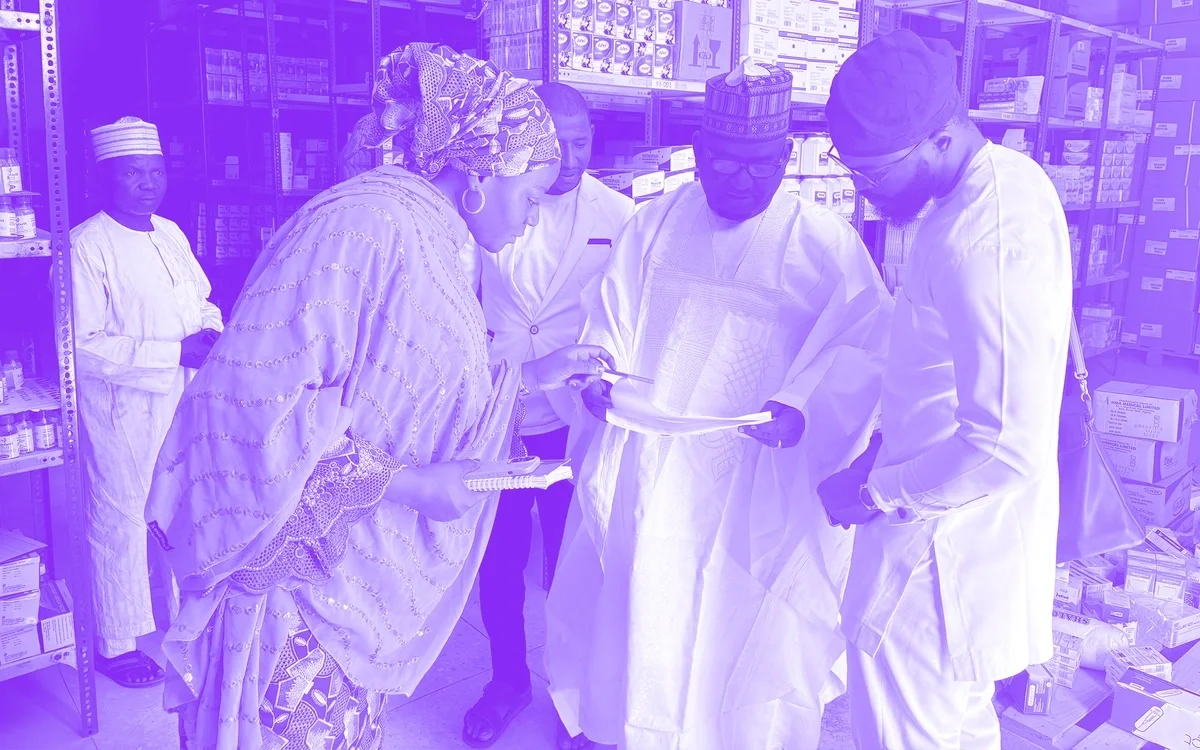
To fix a system this big, we had to move faster than the usual processes allowed. We leveraged a network of WHO volunteers already on the ground to track how health centres were performing in real time – without costing the state a cent. By checking every detail, from the floor tiles to the lightbulbs, the team gave the government a ‘boots on the ground’ reality check that data dashboards sometimes miss.
The photos that first triggered action in Sokoto and Zamfara became the catalyst for a new strategy. During a high-stakes meeting, the team presented the failings of these facilities – showing images of crumbling labour rooms that were the result of a broken system.
Instead of trying to fix 1,000 clinics at once, the state identified a list of 115 and 112 priority sites in the two states. To ensure these improvements lasted, the government anchored the work in the Basic Health Care Provision Fund (BHCPF) – a fund that sets aside 1% of Nigeria’s revenue for primary care. By using the new field data, the state ensured the funds went directly to these priority facilities to fix beds and purchase medicines.
Restoring trust
By December 2025, the first phase of priority delivery rooms was fully functional. But the truest measure of success wasn’t the new equipment; it was the shift in human behaviour.
A local health worker in charge of a health centre told us, “I’m happy to announce that my daughter-in-law will be delivering here.” When people working within the system trust it, the community follows. By focusing on the functionality of the last mile, Sokoto and Zamfara are finally on a path to doubling skilled birth attendance and saving thousands of lives.
To learn more about how we are helping governments improve maternal and newborn health, read our recent piece about Sindh’s maternal health story.